
Most homeowners are familiar with paint. It’s simple, reliable, and gets the job done. But over the last few years, a different kind of wall finish has started showing up in high-end homes, custom builds, and design magazines: Roman Clay.
If you’re deciding between traditional paint and Roman Clay, this guide will walk you through the real differences — appearance, durability, maintenance, and cost — so you can make a confident decision.
At Voyage Home Improvements, we install both. So this isn’t a sales pitch. It’s a straight comparison.
What Paint Does Well
Paint is a proven, practical wall finish.
It offers:
Clean, consistent color
Simple application
Easy touch-ups
Lower upfront cost
For many rooms, paint is still the right solution. It’s especially effective when:
You want uniform color
You plan to repaint every few years
You’re working within a tight budget
Paint does its job. But it has limitations — especially in homes where design and material quality matter.
What Roman Clay Does Differently
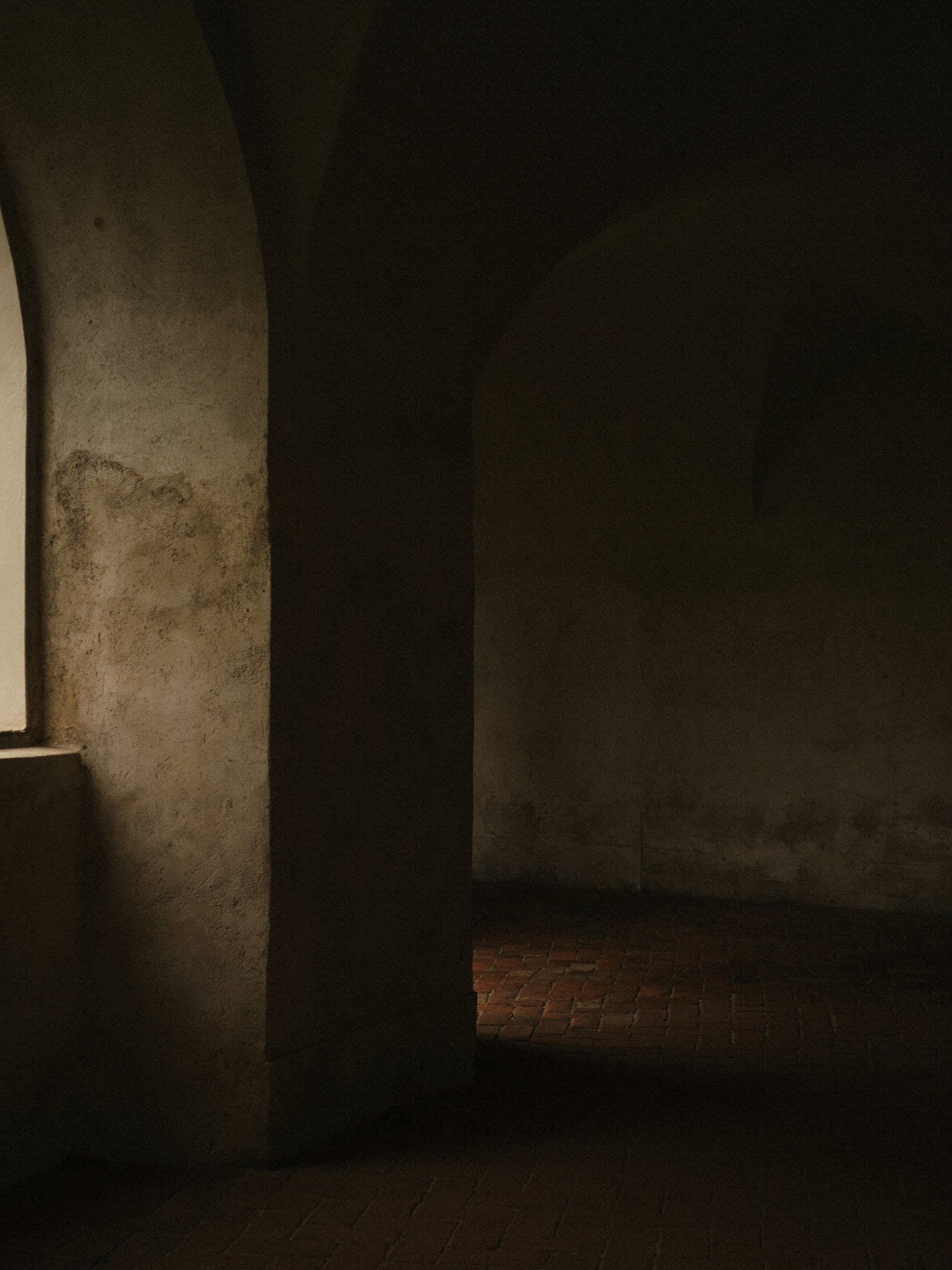
Roman Clay is a hand-applied mineral plaster finish. Instead of rolling color onto a wall, the material is troweled on in thin layers. Each pass creates subtle movement and depth. No two walls look exactly the same.
It offers:
Soft, natural texture
Depth that changes with lighting
A matte, stone-like appearance
A finish that feels built-in, not coated on
This is why Roman Clay is used in:
Custom homes
Designer interiors
High-end renovations
Statement rooms and feature walls
It’s less about color — and more about character.
Appearance: Flat vs Dimensional
Paint:
Smooth, uniform, consistent.
Roman Clay:
Textured, organic, dimensional.
If you want walls that disappear into the background, paint works well.
If you want walls that become part of the architecture and design, Roman Clay is in a different category.
Durability and Maintenance
Paint:
Can scuff or mark
Easy to touch up
May need repainting over time
Roman Clay:
Hardens as it cures
Resists minor scuffs
Doesn’t peel or chip like paint
Can be repaired locally if ever damaged
With proper installation, Roman Clay is a long-term finish — not something that needs regular repainting.
Installation Process
Paint:
Faster application
Minimal drying time
Lower labor cost
Roman Clay:
Multi-step hand application
Longer curing time
Requires trained installers
Higher labor investment
This is where much of the cost difference comes from — craftsmanship and time.
Cost Comparison
Paint:
Lower upfront cost
Standard labor and materials
Roman Clay:
Higher upfront cost
Premium materials
Skilled hand application
However, many homeowners choose Roman Clay because:
It replaces repeated repainting
It adds long-term design value
It differentiates their home
We’ll cover detailed pricing in a separate guide.
Which Should You Choose?
Choose paint if you want:
Simple, consistent color
Lower upfront cost
Easy future changes
Choose Roman Clay if you want:
A premium architectural finish
Natural texture and depth
A long-term statement wall
Something you don’t see in every home
Roman Clay in Northeast Ohio
Roman Clay is still uncommon in Northeast Ohio. That’s changing. More homeowners are looking for finishes that feel intentional, custom, and timeless.
At Voyage Home Improvements, we specialize in Roman Clay and other fine plaster finishes. We handle everything — surface prep, application, and final finishing — with clean job sites and clear communication from start to finish.
Interested in Roman Clay for Your Home?
We offer free in-home consultations across Cleveland, Geauga County, and surrounding areas.
If you’re considering Roman Clay, we’ll:
Walk you through color and texture options
Show real samples
Provide clear pricing
Answer every question
